Forecasting Churn Shouldn't Be a Fire Drill

Jay Nathan
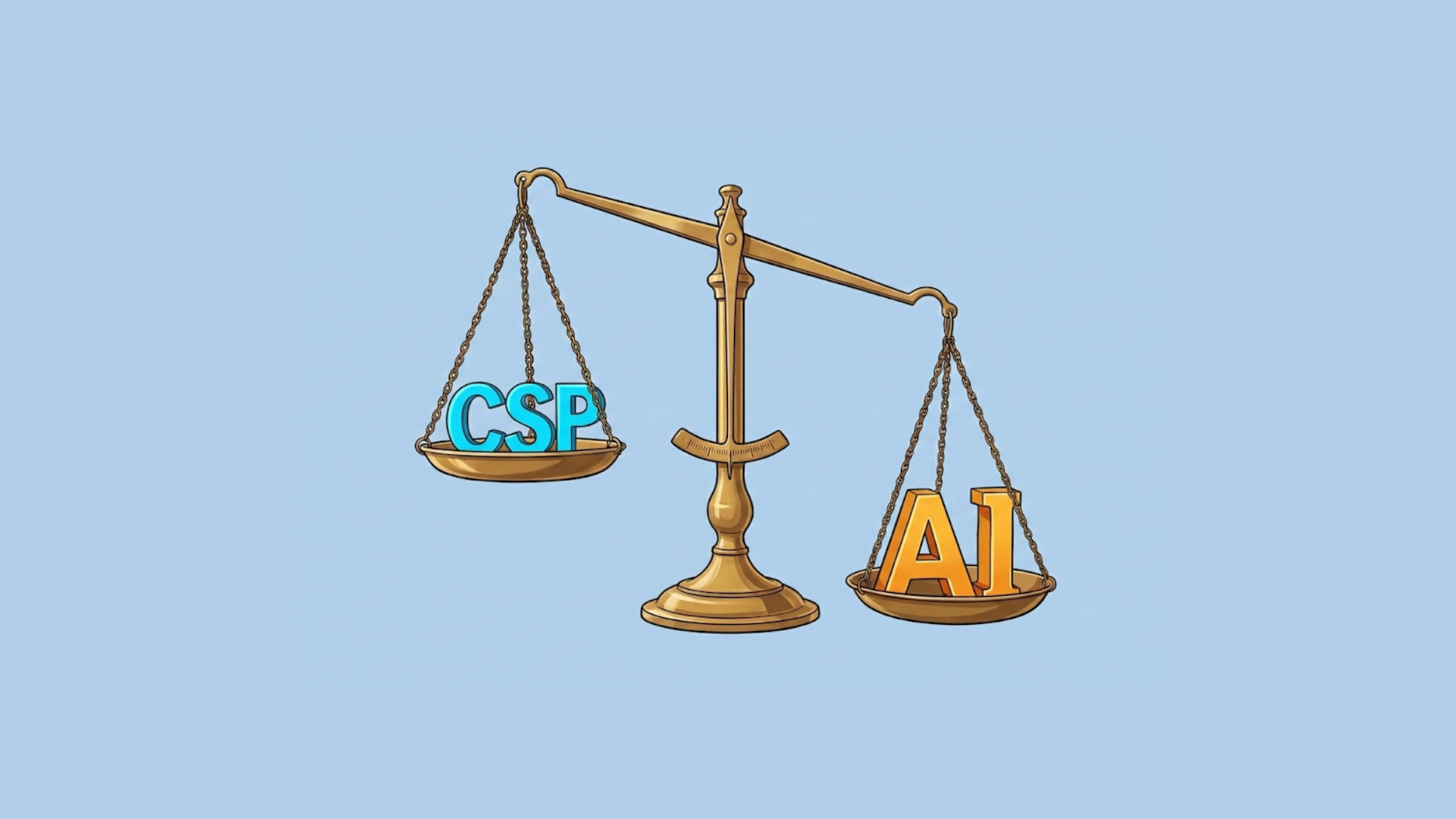
In the AI era is a paradox for CX and CS leaders. Leadership demands accurate, continuous visibility into renewal risk, but the manual work to deliver that visibility is exactly what prevents teams from addressing the risk itself. Smaller headcounts, tighter budgets, and board-level scrutiny mean forecasting can no longer be a time-consuming ritual that pulls CSMs away from the customers they're supposed to nurture.
Welcome to Beyond The Click by Balboa. We're continuing our series on how to lead CX in an AI-first, resource-constrained world. Since last time we looked at tools (i.e. health scores), today we're focused on process, including:
- The forecast tax is eating your CS team 🍽️
- CS owns renewal conditions (but not contracts) 📃
- The real prize: reclaimed capacity 🏆
- Operationalizing forecasting without the fire drill 🔥
- From forecast theater to action ↗️
Let's dive in.
The forecast tax is eating your CS team 🍽️
Here's a problem we often see hiding in plain sight: an otherwise well-managed customer success team spending three weeks out of every month forecasting churn risk. Not engaging customers, not running interventions, just forecasting.
This isn't an edge case. Monthly forecast meetings with year-long lookaheads. Signals pulled from usage data, CRM context, and customer sentiment, then packaged into guidance for sales. The work is necessary, but when forecasting consumes your team's capacity, something is broken.
CS owns renewal conditions (but not contracts) 📃
In many enterprise organizations, CS is intentionally separated from quoting and contracting. Sales handles renewals admin because pricing ops are messy. But CS owns whether or not customers even want to renew by building adoption and demonstrating value.
But in enterprise environments with long procurement cycles (e.g. hospitals that budget a year out), sales monitors renewals about a year ahead and begins active engagement six months prior. CS needs to identify the customer churn risk even earlier. By the time a customer tells you in a Zoom call "we stopped using this key feature," it's often too late.
The real prize: reclaimed capacity 🏆
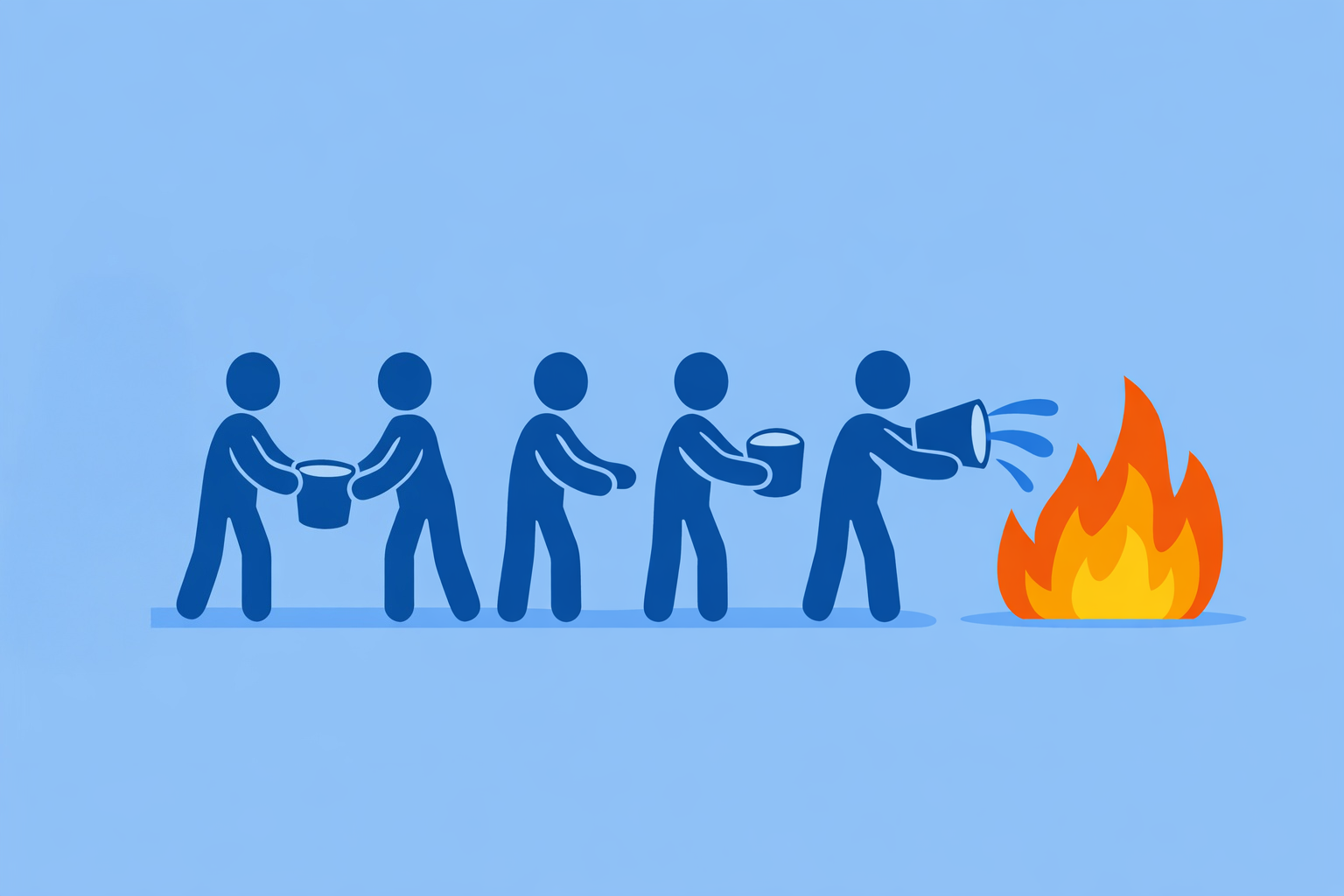
Cutting three weeks from forecasting effort fundamentally reallocates how CS spends their time away from reactive fire drills and toward things like proactive customer conversations, early interventions on adoption gaps, and playbook execution triggered by leading indicators.
This is why the "forecast tax" matters. It's about getting the team back to do the work that actually prevents churn.
Operationalizing forecasting without the fire drill 🔥
The key is shifting from periodic, manual efforts to continuous, automated inputs:
Cross-functional signals become automatic. Product usage, account context, and engagement sentiment combine into a single view without hunting across systems.
Validation becomes a cadence. Instead of quarterly heat-map meetings, teams move into biweekly reviews of customer cohorts, validating predictions and building trust over time.
Forecasting lives where teams work. Risk signals surface in the CRM so sellers and CSMs can act without context-switching.
Segmentation reflects reality. Risk drivers differ by customer type, so forecasting needs separate models instead of one-size-fits-all approaches.
Predictive churn modeling tools like Pendo Predict enable this shift, reducing dependency on data teams and turning forecasting from a manual exercise into a real-time input. But the tool needs to be a part of a proactive-first operating model to help.
From forecast theater to action ↗️
The end state isn't "better forecasting." It's when forecasting stops being the job and becomes an input to the job: predict risk early, prioritize accounts systematically, trigger interventions before renewal cycles start, and monitor outcomes to refine the model.
Ultimately, it’s about enabling action. When your team spends three weeks a month forecasting, nobody wins. Not CS, not the P&L statement, and definitely not your customers.
Did a friend forward you this article? Subscribe to Beyond The Click and get the latest on Pendo and Product Ops straight to your inbox every other Thursday.⚡